Virtual Reality creates immersive environments that engage sight and sound to simulate presence. This site explores how VR works, its applications, and future potential.
From gaming to healthcare, VR is reshaping industries and experiences. Learn how headsets, software, and creativity combine to build new digital worlds.
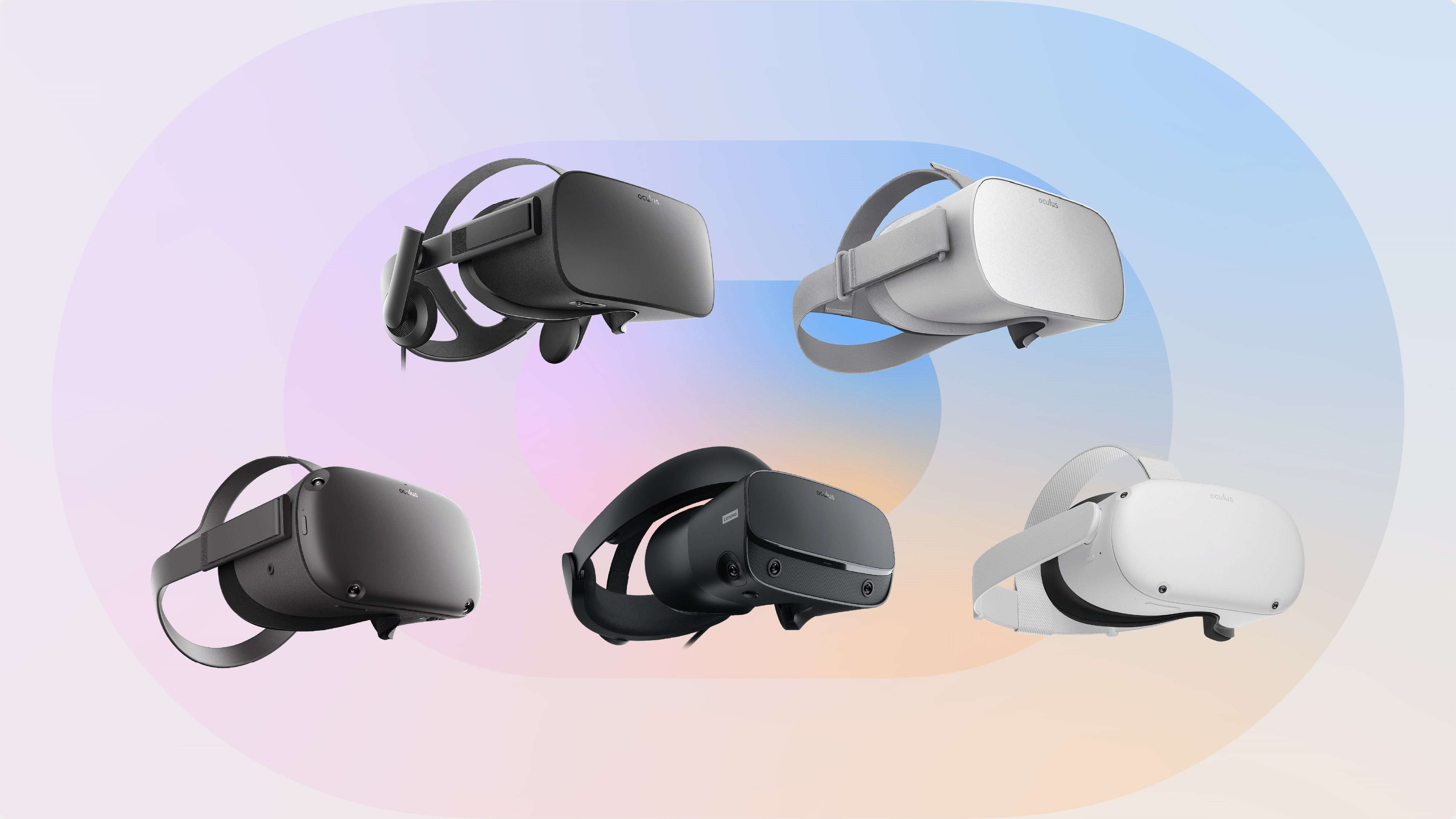
Modern VR headsets provide immersive experiences
VR Technology
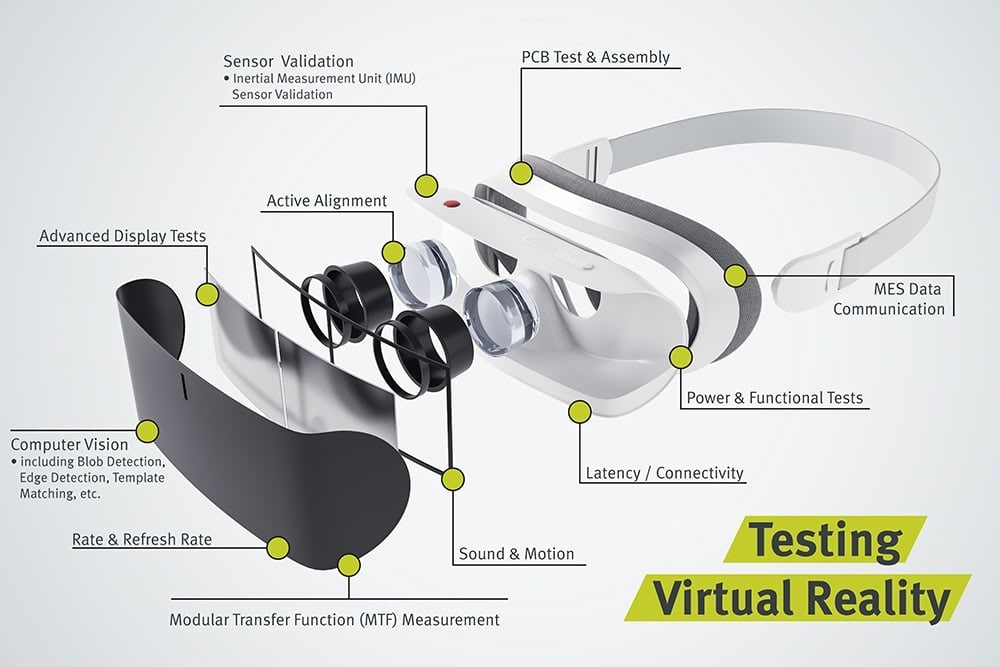
VR hardware includes headsets with stereoscopic displays, motion tracking, and haptic controllers. Devices like Oculus Quest 2 and HTC Vive offer high-resolution visuals and 6DoF tracking.
Software platforms like Unity and Unreal Engine power VR experiences. Developers use 3D modeling, spatial audio, and optimization techniques to create responsive, immersive environments.
VR Applications
Gaming leads VR adoption with titles like Beat Saber and Half-Life: Alyx. Entertainment expands into virtual concerts, cinema, and social platforms like VRChat.
Education and training benefit from immersive simulations. Students explore anatomy, history, and engineering. Professionals train in emergency response, customer service, and soft skills.
The Future of VR
Emerging trends include mixed reality, AI integration, and wireless headsets. VR is evolving into persistent virtual worlds and enterprise collaboration tools.
Ethical concerns include privacy, addiction, and content moderation. As VR becomes more immersive, society must address its impact on identity, access, and reality perception.